
Color direction
Build a practical shade range from approved references and market requirements.
OEM / ODM development
A development workflow for brands that need product configuration, private labeling, packaging and production coordination beyond a stock item.
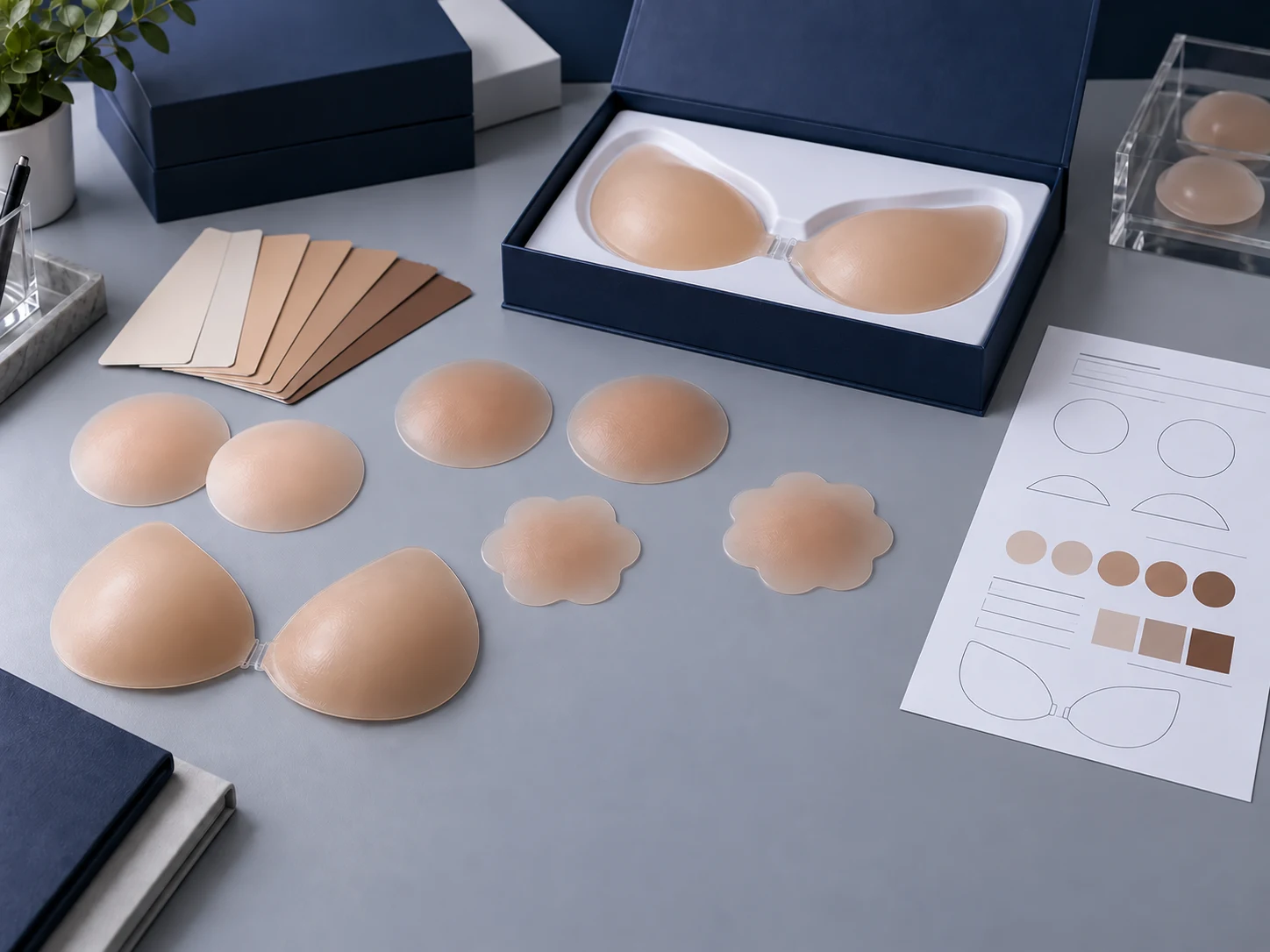
What can be customized
We start with the application and commercial requirement, then narrow down feasible product, color and packaging directions. Final specifications follow the approved sample and confirmed order documents.
Build a practical shade range from approved references and market requirements.
Select existing dimensions or discuss a custom round, petal, tab or cup profile.
Align edge, surface and adhesive direction with the intended garment and wearer experience.
Apply your logo and instructions across eligible product and storage components.
Coordinate pouch, folding carton, tray, rigid box and printed insert requirements.
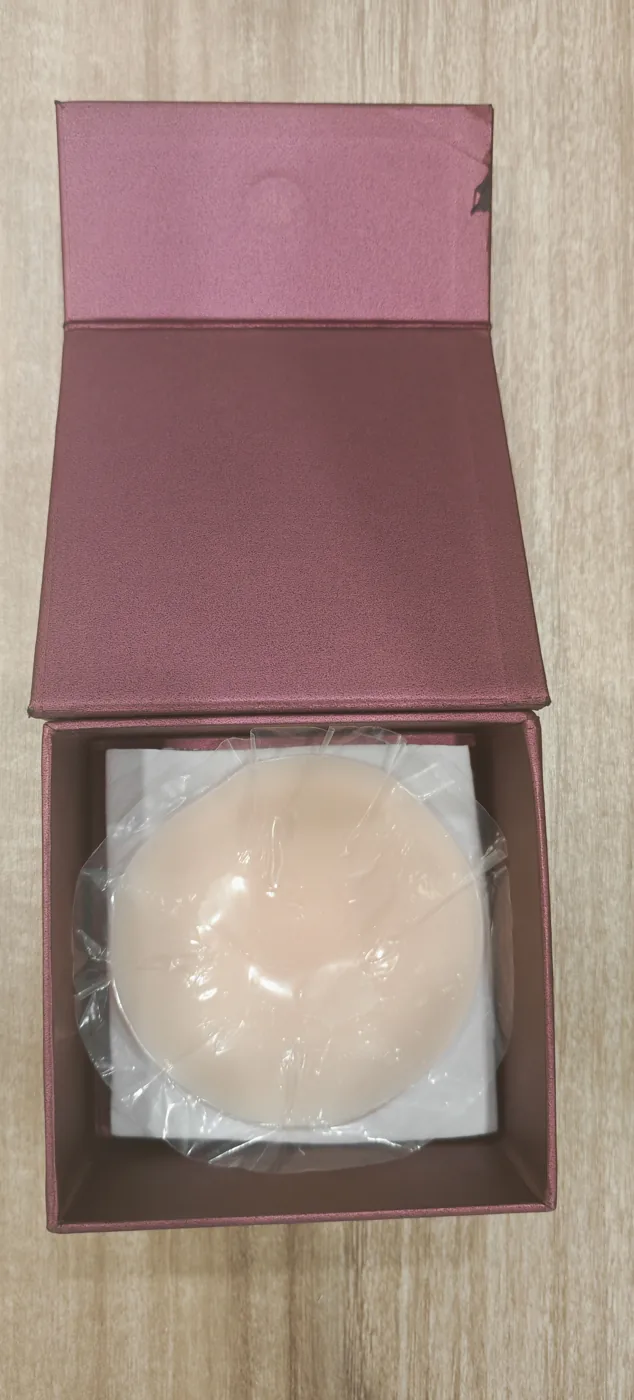
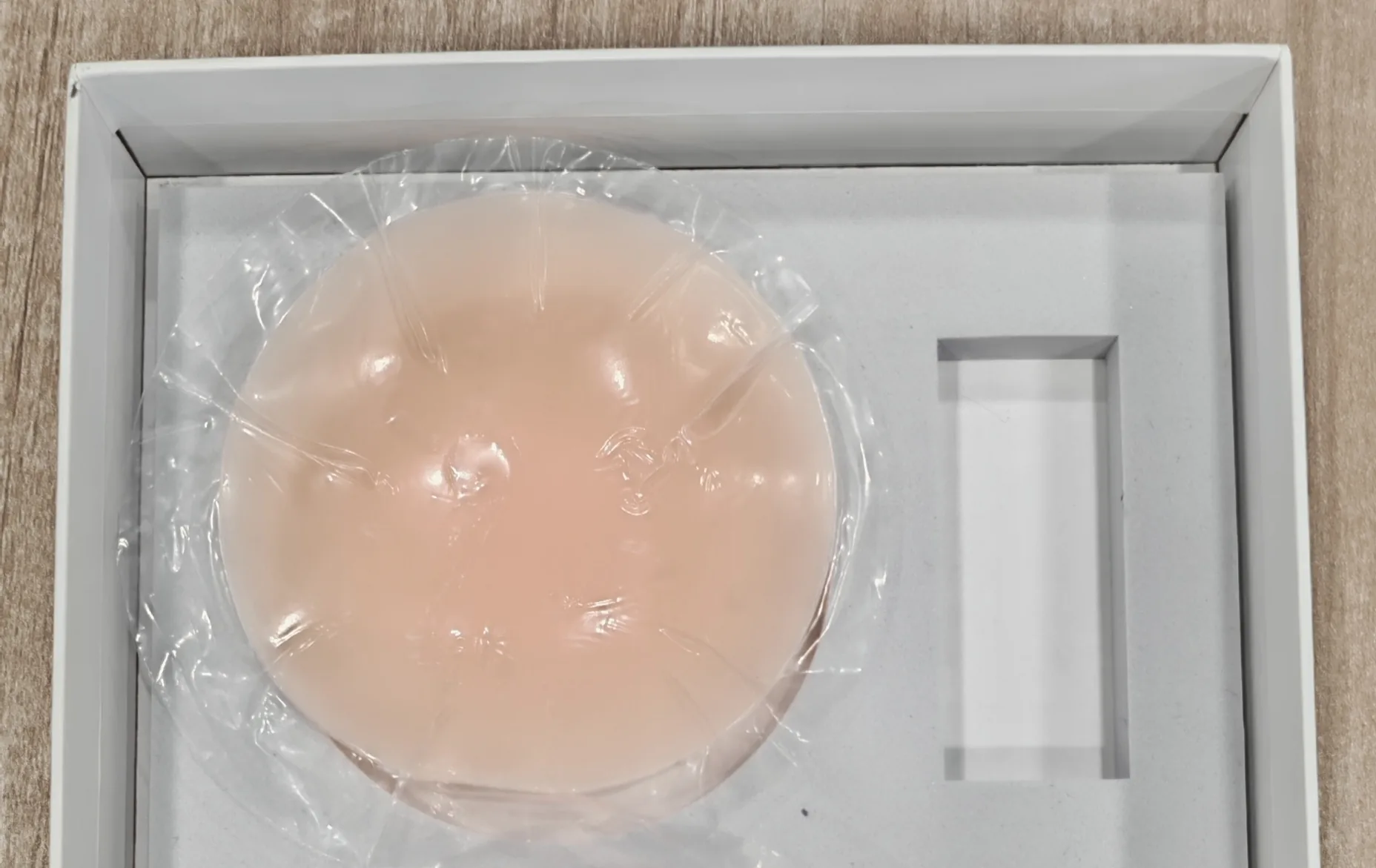
Retail-ready formats
Rigid box, tray, protective film and printed insertsPrivate-label packaging
Share your logo files, target retail channel, preferred box structure and required instructions. We will review artwork placement and practical packing details before production.
Discuss packagingDevelopment workflow
Every project moves through confirmed checkpoints so commercial and product expectations remain aligned.
Application, market, quantity and target positioning.
Suitable construction, color and packaging directions.
Review the physical sample and record approved details.
Align confirmed specification, artwork and schedule.
Check workmanship and retail presentation.
Confirm cartons, order information and dispatch details.
Product type, target market, estimated quantity, preferred color/size, packaging idea, artwork availability and desired delivery window.
Buyer project planning
OEM commonly starts from a buyer-defined specification, while ODM often starts from a supplier-developed design. For nipple covers and adhesive bras, clarify whether your project adapts a catalog model or changes its structure. Labels alone do not confirm development cost, tooling responsibility or exclusivity.
Private labeling and packaging changes are not the same as a new product structure. Describe the required changes first, then agree which development work and approval steps are included in the quotation.
Start from an existing model. Identify the catalog reference for nipple covers, lift covers or adhesive bras. List requested colors, eligible logo placement and retail packaging separately. Confirm each variation against that model rather than assuming a stock item supports every customization.
Define a structural change. Send a drawing, specification or reference sample, highlighting what differs from the catalog model. Changes to coverage profile, lift-tab shape, cup construction or closure may require a feasibility and mold review. Do not assume a proposed design is production-ready before that review.
Compare equivalent quotation scopes. Ask which product, packaging, sampling and tooling items are included. Confirm the quantity, responsibility for development inputs and approval milestones for your project. A lower unit price alone is not a like-for-like comparison when the development or packaging scope differs.
Connect the scope to sample approval. Record the selected model, specification revision and requested changes before production planning. Use the sample comparison checklist to review the agreed result. Cost, schedule and any exclusive-use arrangement need project-specific confirmation, not an assumption based on an OEM or ODM label.
B2B buyer FAQ
Prepare a clear brief and agree approval checkpoints before developing a private-label product range.
Private-label projects can review product model, size or profile, stock or custom colors, eligible logo placement, printed instructions, protective components and retail packaging. Product-structure or mold changes require feasibility review. Final specifications, artwork and packaging follow the approved sample and confirmed order documents.
Prepare a target product or reference sample, destination market, estimated quantity, sizes, colors, intended garment, packaging concept, logo files and artwork status. Include your desired delivery window. These inputs help separate available catalog options from development work and establish the sample-approval checkpoints for your project.
A feasibility review is needed when the required shape, dimensions, profile, closure or construction cannot be met by an existing model. Define the design input, tooling responsibility, sample checkpoints and approval record before production planning. Tooling cost and schedule should be confirmed for the specific project.
Start with the catalog model for your custom silicone nipple pasties project. Specify requested changes, color and design references, packaging and instruction requirements, estimated quantity and destination market in your RFQ. Confirm feasibility and the customization scope before approving a physical sample. Silicone product development is distinct from decorative pasties; do not assume that printing, embellishments or other materials are included.
Project enquiry
Send your references and target requirements. We will organize the questions needed for a practical development discussion.